
Connecticut Business & Commercial Litigation Lawyer
Strategic guidance for Connecticut businesses facing high-stakes disputes—before, during, and after litigation.
Business Litigation and Dispute Practice Areas:
Breach of Contracts in Connecticut
When a vendor, client, or partner fails to deliver on their promises—or refuses to pay for goods or services rendered—we help you enforce your rights or defend against unfounded claims in Connecticut, including litigation involving breach of contract allegations.
Examples of when you may need help:
- A vendor didn’t deliver, and now you’re losing money
- You’re being accused of something you didn’t do
- A client refuses to pay for completed work
When it makes business sense, we can also explore alternative dispute resolution options to resolve the dispute efficiently.
Partnership & Shareholder Disputes
Disputes between business partners can escalate quickly. We represent clients in CT in matters involving:
- Buyout disagreements
- Profit-sharing conflicts
- Allegations of fiduciary duty breaches
- Ownership and control disputes
Our goal is to protect your financial stake while minimizing disruption to the business—whether that means negotiating a resolution now or preparing for future litigation. When the stakes are high, having an experienced litigator early can help you avoid missteps and preserve leverage.
Examples of when you may need help:
- Your business partner is stealing from the company
- You’re being pushed out of a company you helped build
- You’re locked in a control/decision-making deadlock
Employment Law: Employment-Related Business Disputes
Attorneys represent employers and represent business owners facing a variety of disputes that can arise in the workplace. We help businesses navigate sensitive employment matters, including:
- Wrongful termination claims
- Enforcement of non-compete and non-solicitation agreements
- Wage and hour disputes
Early legal guidance can prevent minor issues from becoming major liabilities.
Examples of when you may need help:
- A former employee is trashing you online or contacting customers
- You’re facing a claim and don’t know what to do next
- You need to enforce (or defend against) a non-compete/non-solicit
Business Torts
When someone intentionally harms your business, we pursue accountability through complex commercial claims involving:
- Tortious interference with business relationships
- Fraud and misrepresentation
- Unfair competition
We represent clients throughout Connecticut in these matters, including cases that proceed in state and federal courts when appropriate.
Examples of when you may need help:
- Someone copied your product, brand, or marketing and is profiting from it
- A competitor is spreading false information to steal customers
- You believe you were induced into a deal based on misrepresentations
Debt Collection & Recovery
Unpaid invoices hurt cash flow. Our firm represents companies in business and commercial disputes involving nonpayment, and we help protect what you’ve earned—your business assets—through:
- Collecting outstanding debts
- Enforcing judgments
- Strategic demand and litigation options
Examples of when you may need help:
- A client owes you a significant balance and won’t pay
- You’re tired of chasing invoices and need leverage
- You already have a judgment and need help enforcing it
Commercial Lease Disputes
Your physical location matters. We represent landlords and tenants in disputes involving:
- Lease violations
- Evictions
- Security deposit issues
- Business property conflicts
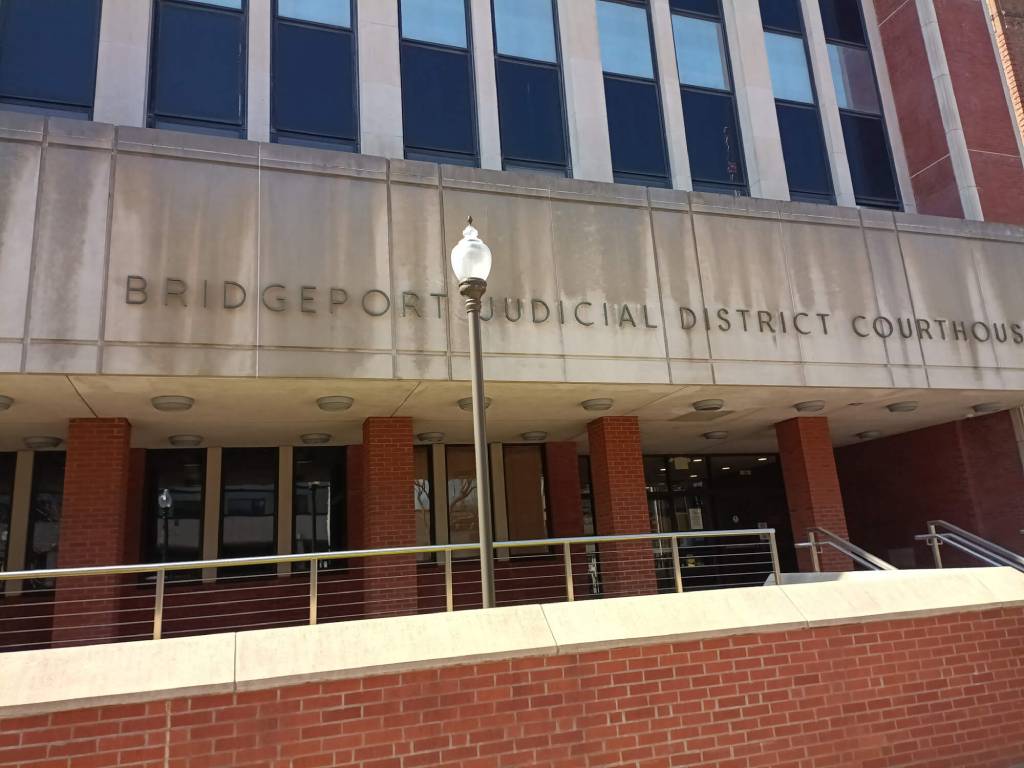
These matters often intersect with broader real estate transactions and can turn on whether the parties complied with duties of good faith and fair dealing. We handle commercial lease disputes across the courts of Connecticut, including Bridgeport, when timing and business continuity are at stake.
Examples of when you may need help:
- Your landlord is trying to force you out
- You’re in a lease dispute that threatens business continuity
- You need to enforce lease terms quickly to avoid losses
Business Defamation / Reputation Attacks
False statements, fake reviews, or competitor disparagement can cause real financial damage for many types of businesses. We help businesses respond swiftly and strategically to protect their reputation, including matters that may proceed in federal and state courts when necessary.
Examples of when you may need help:
- A former employee or competitor is posting false claims online
- Fake reviews are costing you customers
- You need a fast plan to stop reputational harm and limit fallout
“Rare in today’s society.”
Dispute Resolution with a Connecticut Business Litigation Attorney
When your business is under legal attack—or someone else’s actions are putting your livelihood at risk—you need clear advice, decisive strategy, and an attorney who understands what’s on the line.
Sandollar Law PLLC represents entrepreneurs, business entities, and small businesses in complex litigation, including general commercial litigation and complex business disputes, throughout Connecticut and New York. We help clients resolve conflicts efficiently, protect investments, and move forward with confidence.
Business owners don’t want to sue—or be sued. But when disputes arise, delaying action or guessing your next move can make things worse. Sandollar provides practical guidance grounded in corporate law, candid risk assessments, and litigation strategies designed to protect both your business and your reputation in the Connecticut Superior Court.
Useful Information
Connecticut Business Litigation FAQs
(Commercial Dispute Lawyer & Attorney Guidance)
My business got sued—what should I do first in a commercial litigation dispute?
Start by not responding emotionally or informally (including by email), and do not ignore deadlines. Preserve all relevant documents and communications, notify any applicable insurer, and speak with a business litigation attorney quickly so you can assess exposure, defenses, and the fastest path to resolution.
If the dispute involves business contracts, invoices, partnership issues, or allegations that could be framed as both civil and criminal (like fraud), early legal guidance is even more important. A top-rated business litigation team can also help you decide whether the situation is best handled through early negotiation and the use of alternative dispute resolution (like mediation) or whether you need to prepare for court immediately. And if the dispute touches assets outside the business—such as residential real estate—you’ll want clarity early on what is (and isn’t) at risk.
What are common reasons for business lawsuits?
Common triggers include:
- Breach of contract (nonpayment, missed deadlines, nonperformance)
- Partnership/shareholder disputes (control, money, fiduciary duty claims)
- Employment-related claims (termination, wage issues, restrictive covenants)
- Business torts (fraud allegations, interference, unfair competition)
- Lease and vendor disputes
- Reputation issues (defamation, false reviews, disparagement)
What happens when a business gets sued? What’s the process to defend myself?
While every case is different, the process often includes:
- Service of the lawsuit (summons/complaint)
- A deadline to respond (answer and/or motions)
- Early strategy decisions (settlement talks, mediation, arbitration, or litigation posture)
- Discovery (documents, depositions, subpoenas, protective orders)
- Motions (to dismiss, summary judgment)
- Settlement negotiations (often ongoing)
- Trial (if it doesn’t resolve earlier)
A strong defense starts with a clean timeline, preserved evidence, and a disciplined communications plan.
Can they go after my personal assets (like my house) if they’re suing my business?
Sometimes yes, sometimes no—it depends on the business structure and the claims. Many business owners have protections through entity structures, but personal exposure can arise through:
- Personal guarantees (loans, leases, vendor agreements)
- Claims naming you individually (fraud, misrepresentation, certain statutory claims)
- Piercing-the-corporate-veil arguments (rare, but possible in certain fact patterns)
If your home is residential real estate you own personally, it’s worth assessing early whether there’s any realistic path for a creditor to reach it.
Is my spouse’s income or property at risk if my business gets sued?
I was served with a lawsuit—how long do I have to respond in Connecticut?
Deadlines can be short and depend on the court and how you were served. Missing a response can lead to default and major leverage loss. A Connecticut business litigation lawyer can confirm the exact deadline and immediately start building a strategy—whether the case involves business contracts, a customer/vendor dispute, or a claim tied to something like residential real estate.
Early involvement matters. A top-rated business litigation firm can also help you assess whether the case is best handled through early negotiation or the use of alternative dispute resolution (like mediation), versus preparing for litigation from day one. And if the allegations hint at conduct that could be framed as both civil and criminal (for example, fraud accusations), it’s especially important to get legal advice immediately so you don’t accidentally create exposure with an informal response.
Should I be worried about a summons?
You should take it seriously. A summons is a formal notice that a lawsuit has been filed and that you must respond through the proper legal process. Even if you believe the claim is baseless, ignoring it can create avoidable risk.
Can I decline a summons?
No. You can’t “decline” service in a way that makes the lawsuit go away. Trying to avoid service usually just delays things and can make the situation worse. The better move is to accept that the case is active and focus on a smart response.
Can a summons be stopped?
Sometimes a case can be resolved quickly after service—through settlement discussions, a negotiated dismissal, or procedural challenges—but that depends on the facts. In other situations, your attorney may be able to challenge service or jurisdiction. The key is acting fast so you preserve every option.
What happens if you don't respond to a summons?
Failing to respond can lead to a default (and potentially a default judgment). That can mean the court grants relief to the other side without hearing your defenses—creating major financial and operational consequences. Even if you later try to undo it, you’re often fighting uphill and spending more than you would have by responding properly at the start.
A client owes me $50,000 and won’t pay—do I have to sue to collect?
Not always. Many cases resolve through a strategic demand letter, negotiated payment plan, or pre-suit settlement—especially when the debt is clearly supported by business contracts, invoices, and proof of delivery/performance. In the right situation, the use of alternative dispute resolution (like mediation) can also create a faster, more cost-effective path to payment without the time and expense of filing suit.
If the debtor won’t engage—or is stalling—commercial litigation may be the best way to protect cash flow and recover what you’re owed. A top rated business litigation team can also help you evaluate collectability early, so you’re not spending good money chasing a judgment you can’t enforce.
Getting a Client to Pay an Invoice after Nonpayment
A practical approach usually looks like:
- Confirm the amount owed and gather your documentation (signed proposal, scope, change orders, invoices, emails, delivery proof)
- Send a clear written demand with a deadline and payment options (lump sum vs. structured plan)
- Apply pressure strategically (without threats that backfire), including escalation to counsel
- Evaluate whether a negotiated resolution, mediation, or litigation makes the most sense based on the client’s behavior and your proof
One note: keep communications professional. You want every message to read well if it ends up as an exhibit later.
What if you sue someone and they don't have the money to pay?
This is why collectability matters. Even if you “win,” you still have to collect. If the debtor lacks assets, is insolvent, or is moving money around, your strategy may shift to:
- Investigating assets and payment sources early
- Considering settlement terms that improve collection odds (security, guarantees, confession of judgment where applicable, etc.)
- Using post-judgment enforcement tools if you obtain a judgment
Also, if the nonpayment is tied to allegations that cross into civil and criminal territory (for example, intentional fraud or theft), it’s important to get legal advice on how to handle that carefully—because civil collection and criminal allegations are not the same process and should be approached strategically.
What are the downsides of suing?
Potential downsides can include:
- Time (litigation can take many months)
- Cost (State court litigation may cost $15,000-$30,000)
- Business distraction (document production, depositions, management time)
- Relationship and reputational impact (especially in tight industries)
- Uncertainty (even strong cases carry risk)
- Collection risk (a judgment doesn’t guarantee payment)
Also, if the dispute is connected to something outside typical commercial services—like a client claiming the invoice relates to residential real estate work or a personal transaction—jurisdiction, documentation, and defenses can get more complicated. That doesn’t mean you can’t collect; it just means the strategy should be tailored to the facts and paperwork.
What can I do if I think the client will never pay (or is hiding money)?
You may need to move quickly to evaluate collectability, preserve evidence, and choose the right forum. Depending on the situation, options can include litigation, negotiated security, or post-judgment enforcement tools. The goal is to avoid “winning on paper” but not collecting in reality.
My business partner is stealing from the company—what are my options?
Partner misconduct can require fast action to protect accounts, records, and control of the business. A business dispute attorney can help you evaluate claims involving fiduciary duty breaches, seek emergency court relief when appropriate, and pursue a buyout, dissolution, or other remedy that protects your investment.
We’re deadlocked and can’t make decisions—does that count as a business dispute?
Yes. Ownership/control disputes and deadlocks can threaten operations, banking access, vendor relationships, and payroll. Legal guidance can help you understand your rights under the operating agreement/bylaws and pursue a practical resolution before the business is damaged further.
A former employee is badmouthing us online—what can we do without making it worse?
Are fake reviews or competitor attacks considered defamation?
They can be. The key issues are whether the statements are false, presented as fact, and causing measurable harm. A lawyer can help you preserve evidence, identify anonymous posters when possible, and pursue remedies ranging from takedown efforts to litigation.
Someone copied my product, branding, or marketing—what should I do first?
Document everything immediately: screenshots, purchase records, timestamps, and any proof that you created the work first. Then seek legal guidance to determine whether the best path is a cease-and-desist, a negotiated resolution, or litigation, based on the specific rights involved (contract, unfair competition, trade dress, etc.).
My vendor didn’t deliver, and now I’m losing money—can I get out of the contract?
Possibly. The answer depends on the contract terms, performance requirements, notice provisions, and whether the breach of contract is considered “material” (serious enough to justify termination). One of the biggest risks is trying to “walk away” too fast and accidentally putting your business in breach. That’s where experienced business attorneys can help—by evaluating termination rights, damages, and leverage, and by guiding communications so you preserve your options.
What are things that void a contract?
Some issues can render a contract unenforceable or subject it to challenge, depending on the facts and governing law. Common examples include:
- Fraud or misrepresentation (you were induced to sign based on false statements)
- Duress or coercion
- Lack of authority (the signer didn’t have the authority to bind the business)
- Illegality (the contract requires something unlawful)
- Unconscionability (extreme unfairness in formation/terms, in limited situations)
- Failure of a condition (a required condition precedent never occurred)
More often in vendor situations, the question isn’t “void,” but whether there’s a breach of contract that allows termination, damages, or both.
What to do when a vendor doesn't deliver?
A practical, business-safe sequence usually looks like:
- Document the failure (missed deadlines, specs, quantities, quality issues, communications)
- Check the contract for delivery dates, cure periods, notice requirements, and limitation-of-liability clauses
- Send a formal notice of breach (often required before termination)
- Mitigate damages (find alternatives where reasonable, track added costs)
- Avoid admissions in writing that could weaken your position
- Engage business attorneys early if the losses are significant or the vendor is blaming you
Can you get compensation for a delayed delivery?
Often, yes—if you can prove the delay caused compensable damages and the contract doesn’t bar or limit recovery. Compensation may include:
- Refunds/credits for nonconforming or late performance
- Costs to cover (paying another vendor to meet deadlines)
- Lost profits (harder to prove, and sometimes limited by contract)
- Other foreseeable losses tied to the delay
Key issue: Many vendor contracts include clauses limiting liability for delays or excluding “consequential damages,” so the contract language matters a lot.
How much compensation for delayed delivery?
There’s no universal number. It depends on:
- The contract’s remedies clause (liquidated damages, credits, termination rights)
- The dollar value of the goods/services and the length of delay
- Whether you can prove actual losses (and that you mitigated them)
- Any caps on liability or exclusions of consequential damages
- Whether the delay caused downstream losses (missed customer deadlines, penalties, canceled orders)
What to bring to your consultation
Key documents to bring to your consultation include:
- Any possibly relevant contract.
- Invoices (paid and unpaid)
- A timeline of who did what when
- Any e-mails
- Documents or photographs that prove your losses.
I’m being accused of fraud or misconduct—how do I protect my business and reputation?
Treat it as both a legal and business risk issue—because allegations like fraud can threaten contracts, banking relationships, licensing, and customer trust. If the accusation is tied to a business transaction (a deal, invoice, contract performance, partnership issue, or employment separation), your first moves can either reduce exposure or unintentionally make the situation worse.
Start by preserving communications, limiting internal chatter, and avoiding public statements. Working with lawyers in Connecticut—especially Connecticut business lawyers who regularly handle high-stakes disputes—can help you respond strategically, protect privilege, and avoid missteps that can escalate into civil litigation. If the dispute proceeds in court, early filings and rulings can shape the entire case, and in some situations may be reviewed later on appeal—so it’s important to build the record carefully from day one.
If the allegations involve multiple customers, employees, or business partners (or are being made publicly in a way that could trigger broader exposure), it’s also important to assess whether the situation could expand into a class action or other multi-party litigation risk.
How can I defend myself against false accusations?
A strong defense usually starts with evidence and a clear timeline. Practical steps often include:
- Preserving emails, texts, invoices, contracts, meeting notes, and system records (don’t “clean up” accounts)
- Identifying key witnesses and decision-makers early
- Pinpointing exactly what is being alleged (fraud has specific elements; vague accusations aren’t enough)
- Avoiding direct contact with the accuser if emotions are running high—let counsel handle communications when possible
How do I legally protect my business?
Legal protection is both proactive and reactive. Depending on the situation, that can include:
- Having counsel send a controlled response or demand for retraction/clarification
- Reviewing contracts for notice requirements, dispute clauses, and indemnity/insurance issues
- Preserving attorney-client privilege by routing sensitive internal communications through counsel
- Taking steps to limit operational harm (customer messaging, vendor reassurance, internal policies) without admitting fault
How do you prove reputational harm?
It depends on the forum and claims, but it often comes down to showing real-world impact, such as:
- Lost customers/contracts or canceled deals
- Declines in revenue, leads, or conversion rates after the statement
- Written statements from customers explaining why they left
- Evidence of the statement’s reach (posts, reviews, shares, search results)
- Increased costs to repair brand damage (PR, marketing, remediation)
How do you win a case of false accusations?
“Winning” can mean different outcomes: getting the claim dismissed early, forcing a favorable settlement, or prevailing at trial. Common ingredients include:
- A consistent, documented narrative supported by records
- Early strategic motion practice when the allegations are legally insufficient
- Strong credibility and clean communications (no angry emails/texts that can be used against you)
- A plan that balances legal strategy with business reality—cost, time, and reputational risk
My landlord is trying to kick my business out—what can I do?
Commercial lease disputes move fast and can threaten business continuity—especially when your location is tied to revenue, staffing, inventory, or customer access. Because a lease is often one of the most important documents in a business transaction, it’s worth getting legal guidance early.
A commercial litigation lawyer at our law firm can review the lease, assess whether the landlord is following the required notice-and-cure steps, and pursue options to enforce your rights—whether that means negotiating a resolution, seeking emergency relief, or proceeding with civil litigation when necessary. We also help you think ahead: if the dispute escalates, court rulings may be appealable to a court of appeals, so early decisions and documentation can matter more than most business owners realize.
How can a landlord evict a commercial tenant?
Typically, a landlord must follow the lease terms and the applicable legal process—often starting with written notice (and sometimes an opportunity to cure), then filing the appropriate court action if the issue isn’t resolved. “Self-help” tactics (like changing locks or shutting off utilities) can create serious legal risk for landlords in many situations, so the facts and local rules matter.
Is it illegal to run a business out of a rental home?
It depends. The answer usually turns on the lease terms, zoning/municipal rules, HOA rules (if any), and the type of business activity (clients coming to the property, signage, inventory, noise, employees, etc.). Some home-based businesses are allowed; others violate the lease or local regulations. A lawyer can help you assess risk and options before the issue becomes a formal dispute.
How much notice does a landlord need to give a commercial tenant?
There isn’t one universal rule—notice requirements often depend on the lease and the reason the landlord is claiming (nonpayment, other breach, expiration/holdover, etc.). Some leases require specific written notice periods and cure windows, and failing to follow those steps can affect the landlord’s ability to proceed. The fastest way to get clarity is to review the lease language alongside the applicable legal process.
Should I try mediation or arbitration instead of going to court?
Often, yes—especially if your contract requires it, or if speed, privacy, and cost control matter. For many disputes tied to a business transaction, resolving things early can protect relationships and reduce disruption.
- Mediation is typically a structured negotiation with a neutral mediator. It’s non-binding unless you reach an agreement, and it can be a cost-effective way to resolve a dispute without full-blown civil litigation.
- Arbitration is more like a private trial. It’s usually binding, can move faster than court, and may limit discovery and motion practice—though it can still be expensive depending on complexity.
As a law firm handling business disputes, we help you evaluate:
- Whether mediation is likely to produce a realistic settlement (and what leverage you actually have)
- Whether arbitration clauses limit your remedies, discovery, or ability to appeal
- Whether going to court is necessary to obtain emergency relief (like injunctions) or to create stronger enforcement options
One key factor: in court, decisions can sometimes be appealed to a court of appeals (depending on the jurisdiction and issue). Arbitration awards, by contrast, are often much harder to appeal—so it’s important to choose the forum with your endgame in mind.
The best choice depends on leverage, urgency, the evidence you have, and the outcome you need.
Can you help before a lawsuit is filed?
Yes. Early intervention is often where you gain the most leverage—especially when business and financial stakes are high. Our legal services can include strategic demand letters, negotiated exits, evidence preservation, and early case positioning designed to prevent litigation or strengthen your case if litigation becomes necessary.
In many situations, getting counsel involved early can also help you:
- Clarify your goals and risk tolerance before positions harden
- Identify key documents, witnesses, and timelines that can make or break litigation cases later
- Evaluate whether the dispute is really about contract performance, ownership/control, or something that traces back to business formation documents (operating agreements, shareholder agreements, buy-sell provisions)
- Explore alternative dispute resolution options—like mediation or arbitration—when a faster, more private outcome makes sense
The earlier you act, the more options you typically have—and the more control you can maintain over cost, timing, and business disruption.
If a client dies owing my business money, do I have to wait for probate to finish before I can collect? (Probate Litigation & Estates)
Not necessarily. In many cases, you don’t have to wait until probate is fully settled to take action—but you usually do need to follow the probate process to make a valid claim.
Generally, the next steps depend on things like whether the debt is documented (contract/invoice), whether there’s an open estate, and what deadlines apply. Options often include:
- Filing a creditor’s claim with the estate (this is often time-sensitive)
- Providing documentation of the debt (invoices, contract, emails, proof of delivery/performance)
- Negotiating with the executor/administrator for payment
- If the claim is disputed, pursuing the appropriate legal route, which can sometimes involve probate litigation rather than standard commercial litigation
If the amount is significant or the estate is pushing back, it’s smart to speak with an attorney early so you don’t miss a deadline or lose leverage.